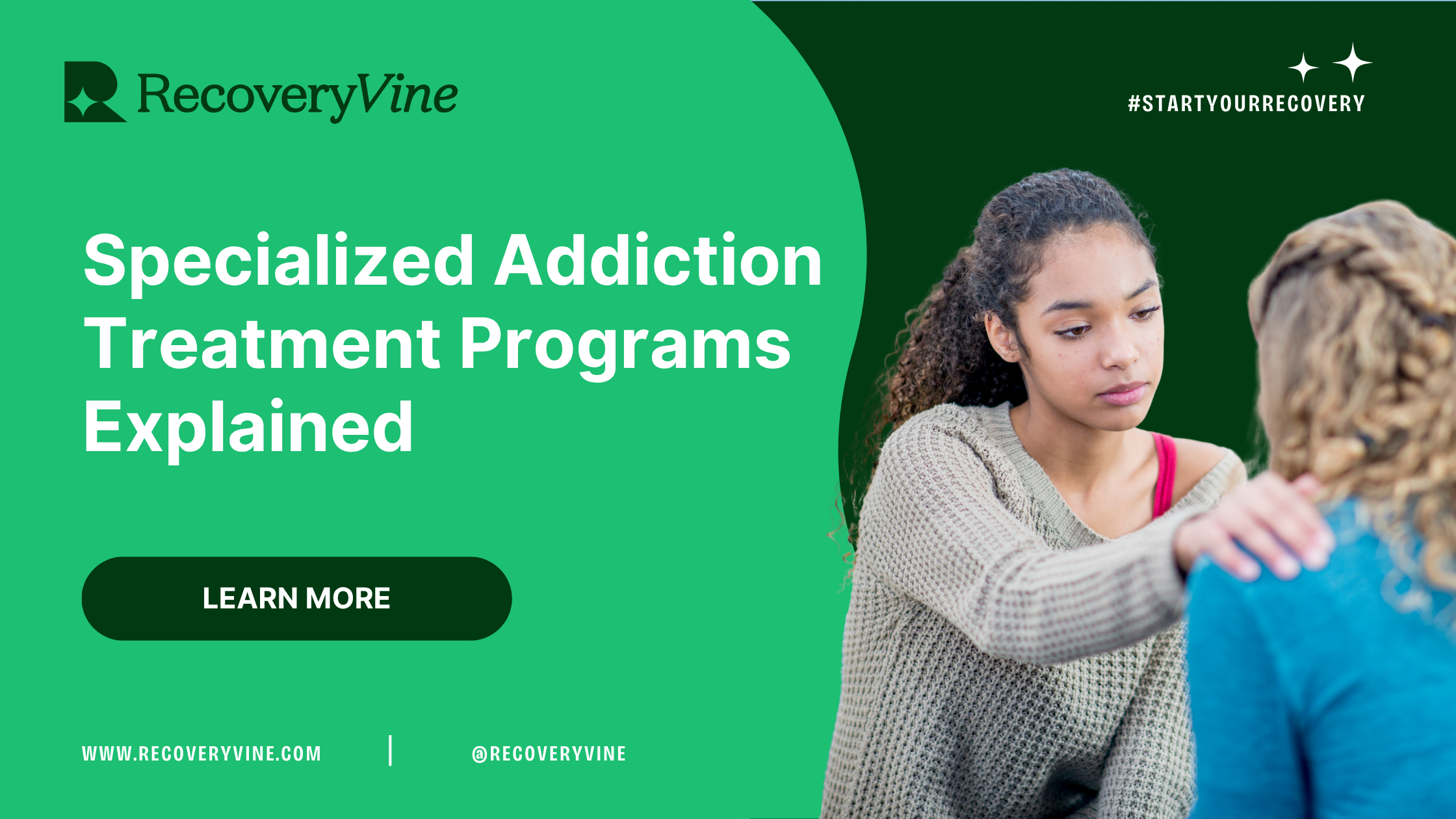
Recovery affects the whole family. Learning how to offer real support — without enabling — is one of the most important things you can do.
The Difference Between Support and Enabling
Supporting someone in recovery means helping them build a stable, sober life. Enabling means doing things that make it easier for them to continue using or to avoid the consequences of their behavior. The line between the two is not always obvious, especially when love and fear are both running high.
Common enabling behaviors include covering for someone who has relapsed, paying bills so they can spend money on substances, or avoiding honest conversations because you are afraid of a conflict. These actions feel kind in the moment but remove the natural pressure that motivates change.
Real support looks different: attending family therapy, learning about addiction as a disease, celebrating milestones, and maintaining your own mental health so you can show up consistently without burning out.
Taking Care of Yourself
Al-Anon and Nar-Anon are 12-step programs specifically designed for family members and friends of people with addiction. They provide community, perspective, and practical tools for setting healthy boundaries. Many family members find these programs as transformative as the original 12-step program is for the person in recovery.
If your loved one relapses, it does not mean treatment failed or that you did something wrong. Relapse is common in the early stages of recovery. What matters is how quickly they re-engage with support and whether the treatment plan is adjusted based on what happened.